by Sandra Cox Birchfield | Blog, Holidays, Sports and Recreation
Football Is a Thanksgiving Tradition
When the Arkansas Industrial University Cardinals ran on the football field for the first time in 1894, it did so only 24 years after Congress declared Thanksgiving a national holiday. As new autumn traditions, it was almost inevitable that football and Thanksgiving would be celebrated together. Indeed, football is a Thanksgiving tradition even here in the Ozarks.
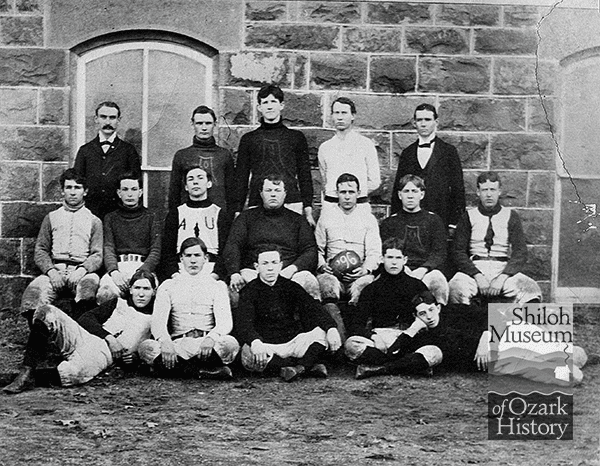
This photo of the Arkansas Industrial University football team was taken in 1896, two years after its formation and Thanksgiving Day trouncing by the University of Texas. Latin Professor John Futrall, who coached the team in its early years, is on the third row, far right, wearing a dark suit. He would later become president of the institution after it was renamed the University of Arkansas. Photo is from the Shiloh Museum of Ozark History’s Washington County Historical Society Collection (P-793).
The new Cardinals football team had an unlikely coach in John C. Futrall, a young Latin professor who later became president of the institution after it was renamed the University of Arkansas. Futrall was tasked with leading the very green Cardinals in an 1894 Thanksgiving Day match in Austin with the more experienced University of Texas team. The outcome was nothing short of humiliating. Texas soundly handed the Cardinals their birdseed by scoring 54 points. Arkansas couldn’t even get on the scoreboard. An intense Arkansas-Texas rivalry had begun.
Razorback Football Is a Thanksgiving Tradition
As years passed, the Cardinals became stronger and more threatening. When Arkansas defeated LSU in 1909, then-coach Hugo Bezdek declared his team had played “like a bunch of Razorback hogs.” A few weeks later, the team lived up to Bezdek’s assessment in a Thanksgiving game in Little Rock against Washington University, who lost with a score of 34 to 0. Arkansas celebrated its first-ever undefeated season, and The Arkansas Gazette proclaimed a “new era” for the “cardinal-clad gladiators.” A year later, this new powerhouse became the Razorbacks.
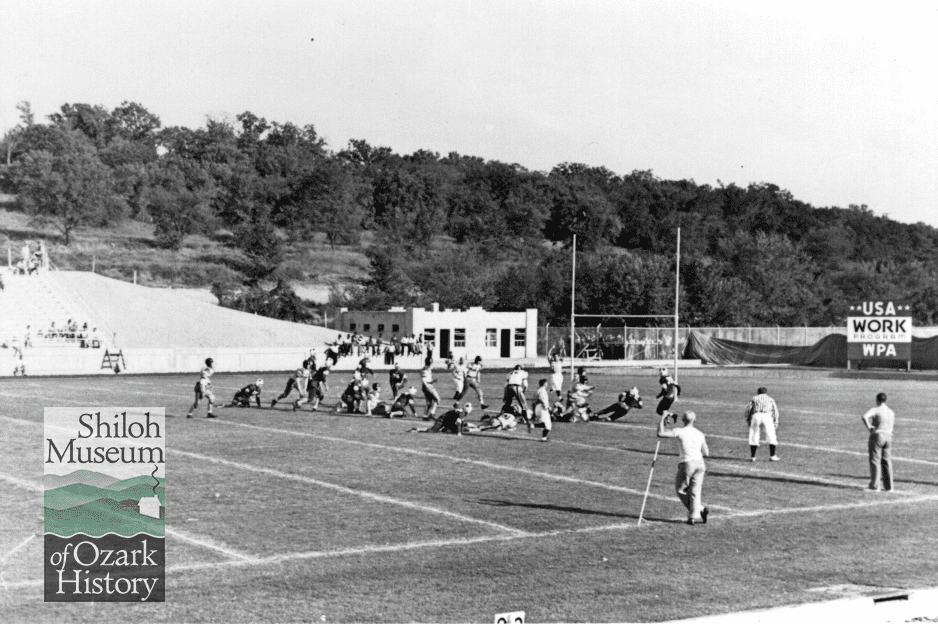
The Arkansas Razorbacks appear to have made a touchdown in this photo taken on the University of Arkansas campus in 1938, a year before President Franklin Roosevelt shook up Thanksgiving Day football plans by moving the holiday up a week. Note the WPA sign in the photo. The Works Progress Administration was an infrastructure program created by Roosevelt as a way to pull the nation out of the Great Depression. Photo, taken by William Carl Smith, is from the Shiloh Museum of Ozark History’s Ada Lee Smith Shook Collection (S-2009-79-10).
A Challenge To Coaches
A challenge to Thanksgiving Day football came in August 1939 when President Franklin Roosevelt moved the holiday from the last Thursday of November to the fourth (November had five Thursdays that year) to help boost the Depression-era economy with a few extra shopping days before Christmas. It also boosted outrage by football coaches who now faced a dilemma: how to reschedule their Thanksgiving Day football game on short notice, including the Razorbacks’ game against Tulsa. (So upset, Ouachita Baptist College’s coach in Arkadelphia threatened to vote Republican!) Many governors heard these outcries, including Arkansas’ and Oklahoma’s, and ignored Roosevelt’s declaration. The Razorbacks played Tulsa as originally planned and won.
Now, all states observe Thanksgiving on November’s fourth Thursday with millions spending the day watching their favorite professional football teams compete on television. Without a doubt, football is a Thanksgiving tradition. Thanksgiving Day Razorback football, however, didn’t survive. Yet a newer tradition takes place: Razorback football on Black Friday.
Originally published in the November/December 2022 issue of Butterfield LIFE magazine for Butterfield Trail Village, Inc.
Footnotes
Henry, O., & Bailey, J. (1996). “Instantly in the Red”. In The Razorbacks: A Story of Arkansas Football (pp.6–7, 23-25). essay, University of Arkansas Press.
The Thanksgiving holiday. US House of Representatives: History, Art & Archives. (n.d.). Retrieved September 29, 2022, from History.House.gov.
Serving Arkansas and Beyond. University of Arkansas. (n.d.). Retrieved October 3, 2022, from Uark.edu/athletics.
Arkansas is at Last Triumphant. (1909, November 26). The Arkansas Gazette, p. 1.
Odom, J. (2022, September 30). Razorbacks football team. Encyclopedia of Arkansas. Retrieved October 3, 2022, from Encyclopedia of Arkansas.
Infoplease. (n.d.). Perpetual calendar. Infoplease. Retrieved October 3, 2022, from https://www.infoplease.com/calendar/193911
Arkansas Football Coaches Bemoan Changing of Thanksgiving Holiday. (1939, August 15). Hope Star, p. 4.
Associated Press. (1939, November 23). Half of States Are Thankful Today, Rest Will Wait a Week. The Daily Oklahoman, p. 20.
Associated Press. (1939, December 1). Porkers Win Easily Over Tulsa, 23-0. Northwest Arkansas Times, p. 9.
by Angie Albright | Blog, Members
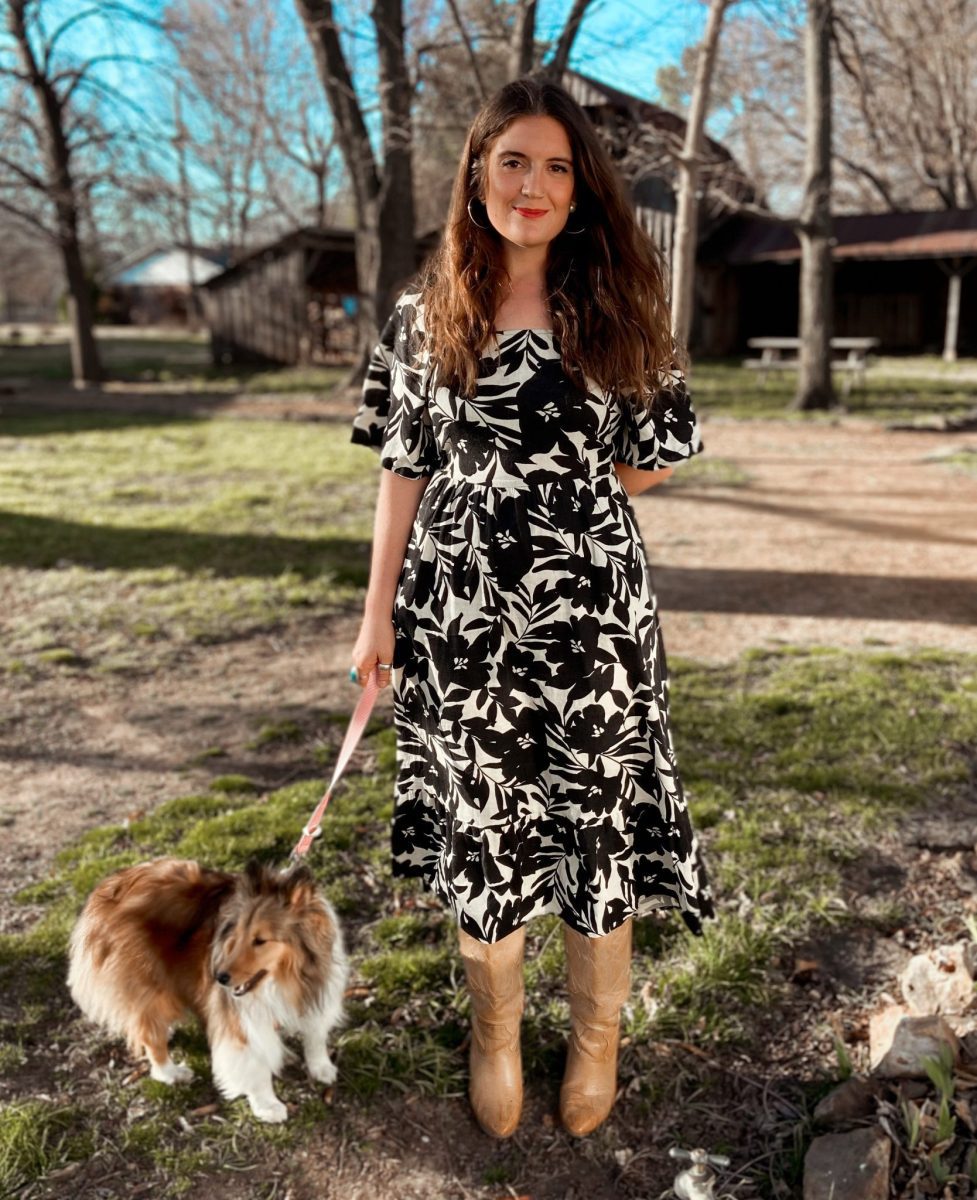
As a part of our 2022 Welcome Home to Shiloh campaign, we are highlighting interviews with some of our members and exploring what Shiloh means to them. Here, in our Welcome Home Member series, we feature Clio Rom, an arts educator and third generation of the Rom family to call Shiloh home. Visit Welcome Home to learn more about the benefits of becoming a member of Shiloh Museum.
Welcome Home Member Series Q & A
Q: Why is Shiloh Museum special to you?
A: The Shiloh Museum has become increasingly important and special to me in the past few years. The halls don’t just contain a collection of objects but rather guide the visitor through the incredible narrative of a complex, ever-evolving landscape and people that make up the Ozarks. After moving back from Italy, it was incredible to visit and relearn so many things I had forgotten or not fully understood as a kid while growing up here. The museum covers everything from the geology of the Boston Mountains and the architecture of the Ozarks to the long-standing traditions of folk art and music — all of which I still see in our everyday culture in NWA, despite the rapid change in recent years. Every time I go to the museum, I learn something new and leave with a greater sense of pride in being from the Ozarks.
Q: Do you have any memories about the Shiloh Museum that you would like to share?
A: My favorite memory is from when I visited the museum for the first time in a while, perhaps a decade. I was exploring the grounds’ gardens, old barns, rooms, and structures. One shed was full of old, rusted iron machinery–some recognizable, others were completely unintelligible to the non-20th century farmer. One machine in particular caught my eye and I couldn’t quite figure out why. As I looked it up and down, I saw a wooden piece that had been recycled from an old post sign. “Jonagol-…” it clicked! This was the old apple polisher from my grandpa’s Rom Family Orchard. I remember my grandfather letting me help polish apples but always warning me to watch my fingers as he pointed towards the gears!
Q: What ways does the Shiloh Museum feels like home to you?
A: I am honored to say there are pieces of home in the Shiloh museum: a photo of my father teaching at the university and my grandfather’s old equipment from his apple orchard. I take great pride in my family having laid roots here (pun intended) and it’s always amazing to see their contribution towards NWA. Beyond that, the Shiloh Museum feels like home because it collects and shares the stories, people, and objects of a land that I call my home. The Ozarks is a region that is often overlooked at best, and misrepresented at worst, and the Shiloh Museum’s collection affirms that our history and culture is worth preserving, teaching, and celebrating!
by Angie Albright | Blog, Members
As a part of our 2022 Welcome Home to Shiloh campaign, we are highlighting interviews with some of our members and exploring what Shiloh means to them. Featured here is Margarita Solórzano, the Executive Director and one of the founders of the Hispanic Women’s Organization of Arkansas. Visit Welcome Home to learn more about the benefits of becoming a member of Shiloh Museum.
Welcome Home Member Series Q & A
Q: Why is Shiloh Museum special to you?
A: Having a museum in our community means that our community can share its history, stories from the past to see now and to preserve for generations to come. A museum impacts our community by preserving and sharing stories of time and space. You cannot erase where we came from, and knowing these stories can impact our community’s future. The Northwest Arkansas area is in constant change, and the museum has to keep up with demographic and technological changes. When visiting the Shiloh Museum, you cannot help being inspired by the achievements, art and history of people who established themselves in the Ozarks from prehistoric times to modern history. Learning about the stories that have defined the different groups established in the Ozarks throughout the years helps us to understand our present-day reality.
The Latino Experience
The Latino experience may be different from that of other groups established in the area. Hispanics need to be able to tell their story not only as perceived by historians, but also to tell these stories in their own personal and powerful terms. Through collaboration in creating the narratives for our community we share our struggles for equity, equality and inclusive participation in defending U.S. democracy and highlight each group’s contribution to this intrinsically Ozark identity. The museum can help us bring history to life and show everyone how people create bridges for community integration and embrace the benefits that diversity brings, making our community prosperous and strong. Through the Museum, the journey of social and political events that started in our community can be preserved in the collective memory as people attain their own version of the American Dream.
With our participation, the Museum helps us define ourselves rather than let others define us. The museum can help us tell our own stories, instead of inaccurate versions that for too long painted some groups as outsiders or made them invisible. Each group is an integral force for good and part of the progress. In the end, our local museums provide a sense of community and a place where we all can come together, celebrate a collective heritage, share common knowledge and develop a sense of belonging.
Museum visits allow us to travel through the time and space of history and as in the words of Mark Twain, “Travel is fatal to prejudice, bigotry, and narrow-mindedness, and many of our people need it sorely on these accounts. Broad, wholesome, charitable views of men and things cannot be acquired by vegetating in one little corner of the earth all one’s lifetime.” A museum has the power to bring to life the history hidden in our homes and dispel hatred and intolerance. Knowledge and understanding in the museum hallways show our humanity and celebrate our heritage and shared experiences, making everybody feel at home.
Q: Do you have any memories about the Shiloh Museum that you would like to share?
A: I found the Museum personnel to be interested in learning about my culture. For a long time, the Shiloh Museum of Ozark History has shown interest in being inclusive presenting exhibits of Mexican and Latin American arts, crafts, traditional toys and photography projects. Seeing the pride of Latino families when they see their children’s work displayed at the museum is priceless.
Q: What ways does the Shiloh Museum feels like home to you?
A: The Shiloh Museum of Ozark History has opened its doors to all and has given different groups the space to claim it as part of our community and our home.
by Angie Albright | Blog, Members
As a part of our 2022 Welcome Home to Shiloh campaign, we are highlighting interviews with some of our members and exploring what Shiloh means to them. Featured here in our Welcome Home Member Series, is Jim Meinecke, our current board president. Visit Welcome Home to learn more about the benefits of becoming a member of Shiloh Museum.
Welcome Home Member Series Q & A
Q: Why is Shiloh Museum special to you?
A: Shiloh Museum is special because it is so specific and tailored to our area of the Ozarks. Anyone that has lived here will be able to relate to the things they see and hear at the museum. If someone is new to the region, then Shiloh is the perfect place to get a feel for our unique culture and history. You can learn about everything from Native American artifacts to Marshallese sailboats at Shiloh Museum.
Q: Do you have any memories about the Shiloh Museum that you would like to share?
A: I have a lot of good memories about Shiloh. My favorite memory is seeing the inside of Shiloh Meeting Hall for the first time. There is so much interesting history connected to that one structure. I am so glad that it has been restored and is still being used.
Another special memory for me occurred as I was browsing through the exhibits at the museum. There is a picture of Bethlehem Church there and I recognized it as the church that is on property that some friends and I own near Devil’s Den State Park. The church was originally located at the confluence of Rich and Lee Creeks. I believe that is where the picture was taken. There is a large pool there that is still called the “baptizing hole.” Neighbors told me that the church was moved out of Lee Creek valley to the top of the ridge in 1939. The old Fayetteville Road followed the creek but was replaced by a new road that ran along the ridge above the valley. The old foundation and church cemetery are still down on the creek.
Q: What ways does the Shiloh Museum feels like home to you?
A: The Shiloh Museum of Ozark History has opened its doors to all and has given different groups the space to claim it as part of our community and our home.
by Sandra Cox Birchfield | Uncategorized
 Saturday, May 7, 2022
9:00 a.m.–11 a.m.
We’re teaming up again with Springdale for Monarchs and the Elizabeth Richardson Center to give away milkweed plants Saturday, April 3, 9:00 a.m. to 11 a.m. The event will take place street-side on Johnson Avenue in front of the museum.
STAY IN YOUR CAR, we’ll bring the milkweeds to you. Limit 5 plants per adult.
Form car line in front of museum going west; cars will be loaded and leave, then the next car will pull up to receive plants.
Plants are free but donations will be accepted (cash and check only) to support the Shiloh Museum and Elizabeth Richardson Center.
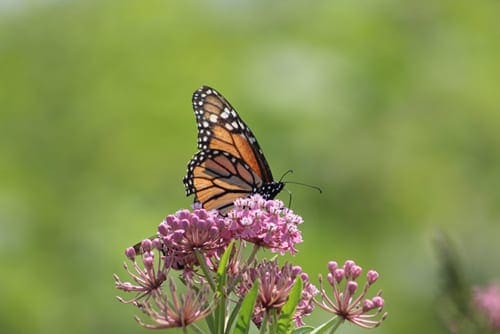
Photo: Monarch butterfly on swamp milkweed. Anna Weyers, USFWS/flickr.com
Saturday, May 7, 2022
9:00 a.m.–11 a.m.
We’re teaming up again with Springdale for Monarchs and the Elizabeth Richardson Center to give away milkweed plants Saturday, May 7, 9:00 a.m. to 11 a.m. The event will take place street-side on Johnson Avenue in front of the museum.
STAY IN YOUR CAR, we’ll bring the milkweeds to you. Limit 5 plants per adult.
Form car line in front of museum going west; cars will be loaded and leave, then the next car will pull up to receive plants.
Plants are free but donations will be accepted (cash and check only) to support the Elizabeth Richardson Center.
Photo: Monarch butterfly on swamp milkweed. Anna Weyers, USFWS/flickr.com
by Susan Young | Artifact of the Month, Miscellaneous
 Donated by Frances Deane Alexander
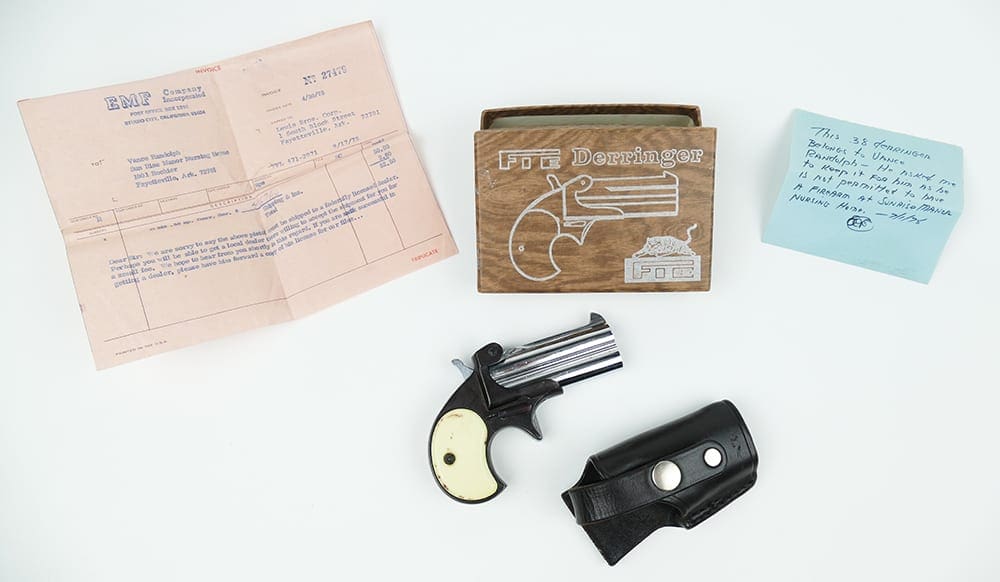
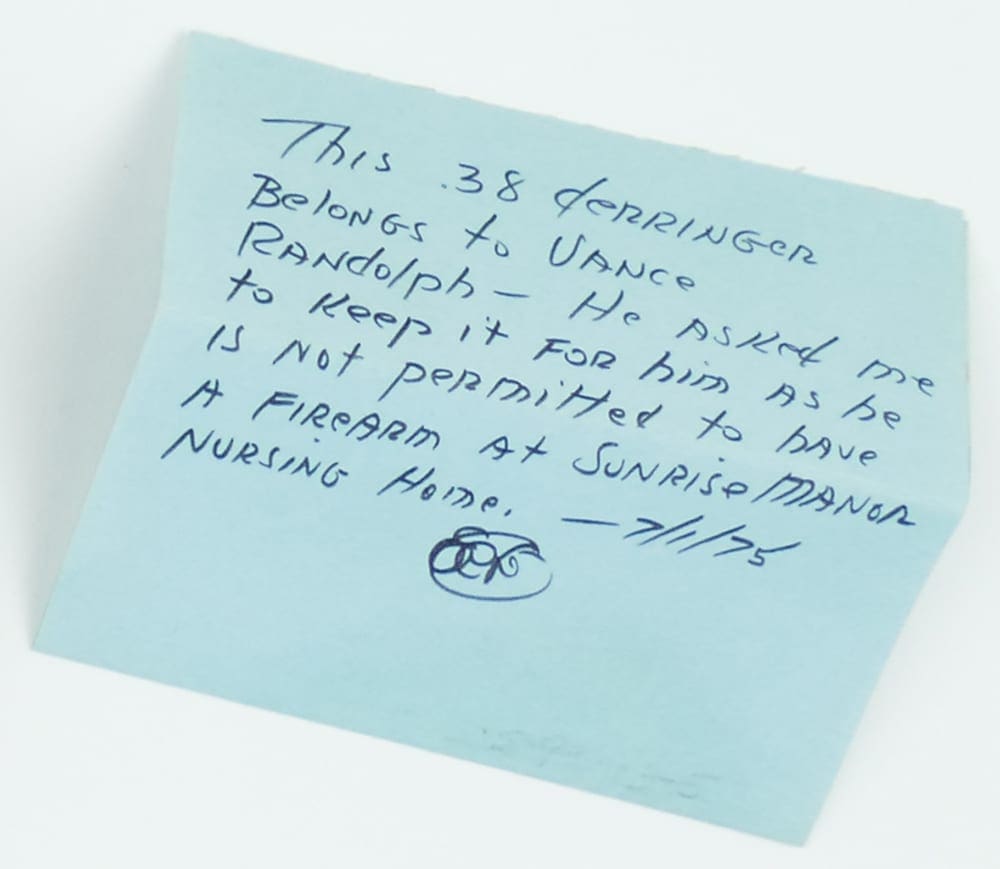
Ozark folklorist Vance Randolph purchased this Derringer handgun in 1975. At that time, he and his wife, folklorist Mary Celestia Parler, lived at Sunrise Manor Nursing Home in Fayetteville. Randolph’s good friend, journalist and historian Ernie Deane, helped Randolph acquire the gun. According to a note written by Deane on July 1, 1975: “This .38 Derringer belongs to Vance Randolph. He asked me to keep it for him has he is not permitted to have a firearm at Sunrise Manor Nursing Home.” (Ernie Deane had a delightful habit of writing brief notes of explanation about items of historical importance that he owned, storing his note with the item for posterity.)
Ernie Deane’s daughter, Fran Alexander, recounts the story of Ernie, Vance, and the Derringer:
“Ernie and Vance had a special relationship. They understood each other.
“Understanding another person, however, does not always put you in a comfortable position. When Vance requested that Ernie be on the receiving end of a pistol mail-order that Vance wanted to place, Ernie began to imagine the problems that might arise when he brought the Derringer into the Sunrise Manor Nursing Home, where Vance and his wife, Mary Parler, lived.
“Vance had assured Ernie that he had no delusions about harboring a pistol in a nursing home, but since he’d always wanted one, he figured it was now or never and asked Ernie, as a friend, to just bring it to him for a visit occasionally. He just wanted to look at it and hold it in his hands.
“This seemed a harmless enough request from an old and very helpless friend, but Ernie was constantly looking over his shoulder for nurses when the Derringer was visiting at Sunrise. He imagined the consequences would be dire, the worst probably being forbidden from ever visiting Vance again.
“Whatever memories, imagined exploits, or real adventures, or why Vance felt admiration for this brand of pistol, will probably never be known, since neither Ernie nor Vance wrote down his feelings on the subject.
“Another of Vance’s requests that Ernie also delivered on was an occasional pint of whiskey, which was not just a visitor, but kept hidden and used “for medicinal purposes.” A bit anxious that his bootlegging activities would also be discovered by the staff always put a sense of suspense and naughtiness into Ernie’s Sunrise visits, probably making the time spent with Vance and Mary even more fun for all concerned.
“When Vance died in 1980, he was buried in one of Ernie’s suits.”
Derringer for website 1
From left: Derringer invoice dated April 30, 1975; Derringer box with handgun and holster; note by Ernie Deane.
derringer-ernie-note
Note written by Ernie Deane, explaining backstory of the Derringer.
derringer-invoice
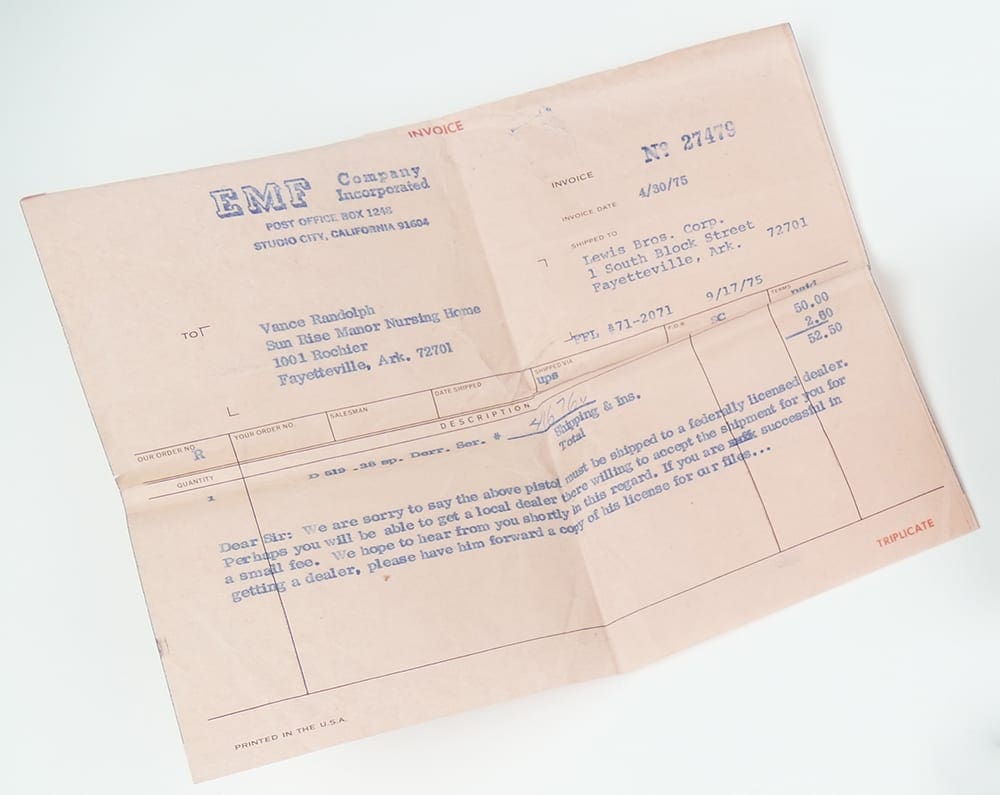
Derringer invoice, showing it sold to Vance Randolph for $52.50 and shipped to Lewis Bros. on the Fayetteville square (present-day Bank of Fayetteville location).
Donated by Frances Deane Alexander
Ozark folklorist Vance Randolph purchased this Derringer handgun in 1975. At that time he and his wife, folklorist Mary Celestia Parler, lived at Sunrise Manor Nursing Home in Fayetteville. Randolph’s good friend, journalist and historian Ernie Deane, helped Randolph acquire the gun. According to a note written by Deane on July 1, 1975: “This .38 Derringer belongs to Vance Randolph. He asked me to keep it for him has he is not permitted to have a firearm at Sunrise Manor Nursing Home.” (Ernie Deane had a delightful habit of writing brief notes of explanation about items of historical importance that he owned, storing his note with the item for posterity.)
Ernie Deane’s daughter, Fran Alexander, recounts the story of Ernie, Vance, and the Derringer:
“Ernie and Vance had a special relationship. They understood each other.
“Understanding another person, however, does not always put you in a comfortable position. When Vance requested that Ernie be on the receiving end of a pistol mail-order that Vance wanted to place, Ernie began to imagine the problems that might arise when he brought the Derringer into the Sunrise Manor Nursing Home, where Vance and his wife, Mary Parler, lived.
“Vance had assured Ernie that he had no delusions about harboring a pistol in a nursing home, but since he’d always wanted one, he figured it was now or never and asked Ernie, as a friend, to just bring it to him for a visit occasionally. He just wanted to look at it and hold it in his hands.
“This seemed a harmless enough request from an old and very helpless friend, but Ernie was constantly looking over his shoulder for nurses when the Derringer was visiting at Sunrise. He imagined the consequences would be dire, the worst probably being forbidden from ever visiting Vance again.
“Whatever memories, imagined exploits, or real adventures, or why Vance felt admiration for this brand of pistol, will probably never be known, since neither Ernie nor Vance wrote down his feelings on the subject.
“Another of Vance’s requests that Ernie also delivered on was an occasional pint of whiskey, which was not just a visitor, but kept hidden and used “for medicinal purposes.” A bit anxious that his bootlegging activities would also be discovered by the staff always put a sense of suspense and naughtiness into Ernie’s Sunrise visits, probably making the time spent with Vance and Mary even more fun for all concerned.
“When Vance died in 1980, he was buried in one of Ernie’s suits.”
Derringer for website 1
From left: Derringer invoice dated April 30, 1975; Derringer box with handgun and holster; note by Ernie Deane.
derringer-ernie-note
Note written by Ernie Deane, explaining backstory of the Derringer.
derringer-invoice
Derringer invoice, showing it sold to Vance Randolph for $52.50 and shipped to Lewis Bros. on the Fayetteville square (present-day Bank of Fayetteville location).
by Susan Young | Artifact of the Month, Business and Occupations, Crafts
 Donated by J. T. Wampler
J. T. Wampler has been a photographer for Northwest Arkansas Newspapers for almost two decades. Taking a name from a local creek, he opened Tanglewood Branch Brewing Company located at the intersection of South School Avenue and Fifteenth Street in Fayetteville in September 2011. Initially he sold food made from local ingredients along with local and regional beers. In March 2012 Wampler obtained brewing permits and by the end of May, he was serving in-house brewed beer. However, by the end of 2013, the business was in jeopardy. A fundraising campaign raised over $21,000, allowing Tanglewood to remain open until September 2014..
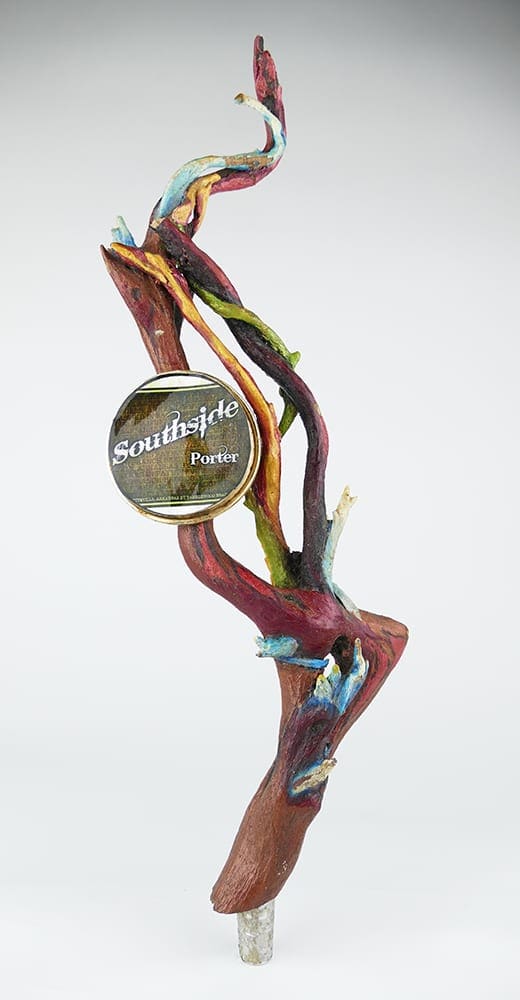
This tap handle was made for Southside Porter, one of Tanglewood’s most popular brewed beers. Wampler commissioned artist Rae Russell to create original tap handles for all of Tanglewood’s in-house beers. Russell also painted “Bountiful Fayetteville,” the PIGshibition sculpture in front of Fayetteville’s Clinton House Museum.
Donated by J. T. Wampler
J. T. Wampler has been a photographer for Northwest Arkansas Newspapers for almost two decades. Taking a name from a local creek, he opened Tanglewood Branch Brewing Company located at the intersection of South School Avenue and Fifteenth Street in Fayetteville in September 2011. Initially he sold food made from local ingredients along with local and regional beers. In March 2012 Wampler obtained brewing permits and by the end of May, he was serving in-house brewed beer. However, by the end of 2013, the business was in jeopardy. A fundraising campaign raised over $21,000, allowing Tanglewood to remain open until September 2014..
This tap handle was made for Southside Porter, one of Tanglewood’s most popular brewed beers. Wampler commissioned artist Rae Russell to create original tap handles for all of Tanglewood’s in-house beers. Russell also painted “Bountiful Fayetteville,” the PIGshibition sculpture in front of Fayetteville’s Clinton House Museum.
by Susan Young | Business, Photo of the Month
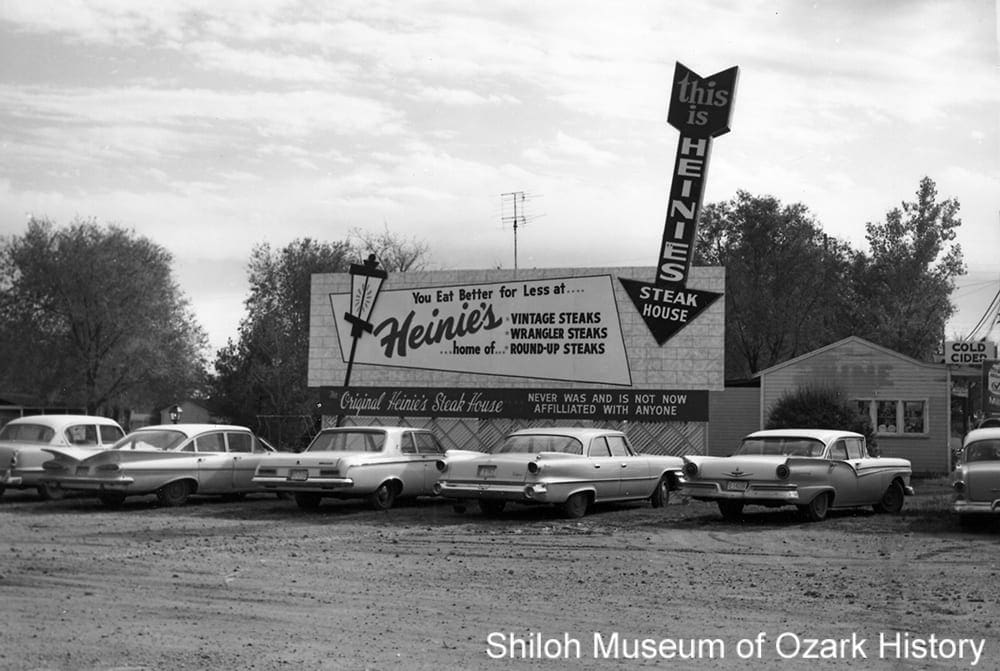
Heinie’s Steak House, Springdale, 1962. Located on Highway 71 near the railroad underpass, this legendary local restaurant was owned and operated by Herman Clint “Heinie” Dierich. Howard Clark, photographer. Caroline Price Clark Collection (S-2002-72-1235)
Heinie’s Steak House, Springdale, 1962. Located on Highway 71 near the railroad underpass, this legendary local restaurant was owned and operated by Herman Clint “Heinie” Dierich. Howard Clark, photographer. Caroline Price Clark Collection (S-2002-72-1235)
by Susan Young | Artifact of the Month, Holidays
 Donated by Virginia Hicks
This papier maché egg probably belonged to twins Mary and Ellen Russell of Harrison (Boone County) in the early 1920s. Mary and Ellen were born to Jesse and Rose Grever Russell in 1917. According to the 1920 census, the Russells lived at 614 West Central Avenue in Harrison. Jesse Russell was an editor of the Boone County Headlight newspaper. In 1947 he authored Behind These Ozark Hills, a collection of personal reminiscences about life in Carroll and Boone counties.
Germany has a long history of using papier maché eggs to celebrate Easter. From the late 1800s until the early 1930s, Germany exported empty papier maché eggs to the United States and throughout Europe. The word “GERMANY” stamped inside the egg helps narrow down when it was made. Up until about 1920, papier maché eggs manufactured in Germany were stamped “German” or “Germany.” From 1921 until 1933 they were stamped “German Republic. Following World War II, several stamps were used, including “East Germany,” “German Democratic Republic,” “West Germany,” and “Federal Republic of Germany.”
Donated by Virginia Hicks
This papier maché egg probably belonged to twins Mary and Ellen Russell of Harrison (Boone County) in the early 1920s. Mary and Ellen were born to Jesse and Rose Grever Russell in 1917. According to the 1920 census, the Russells lived at 614 West Central Avenue in Harrison. Jesse Russell was an editor of the Boone County Headlight newspaper. In 1947 he authored Behind These Ozark Hills, a collection of personal reminiscences about life in Carroll and Boone counties.
Germany has a long history of using papier maché eggs to celebrate Easter. From the late 1800s until the early 1930s, Germany exported empty papier maché eggs to the United States and throughout Europe. The word “GERMANY” stamped inside the egg helps narrow down when it was made. Up until about 1920, papier maché eggs manufactured in Germany were stamped “German” or “Germany.” From 1921 until 1933 they were stamped “German Republic. Following World War II, several stamps were used, including “East Germany,” “German Democratic Republic,” “West Germany,” and “Federal Republic of Germany.”
by Susan Young | People, Photo of the Month, Residences
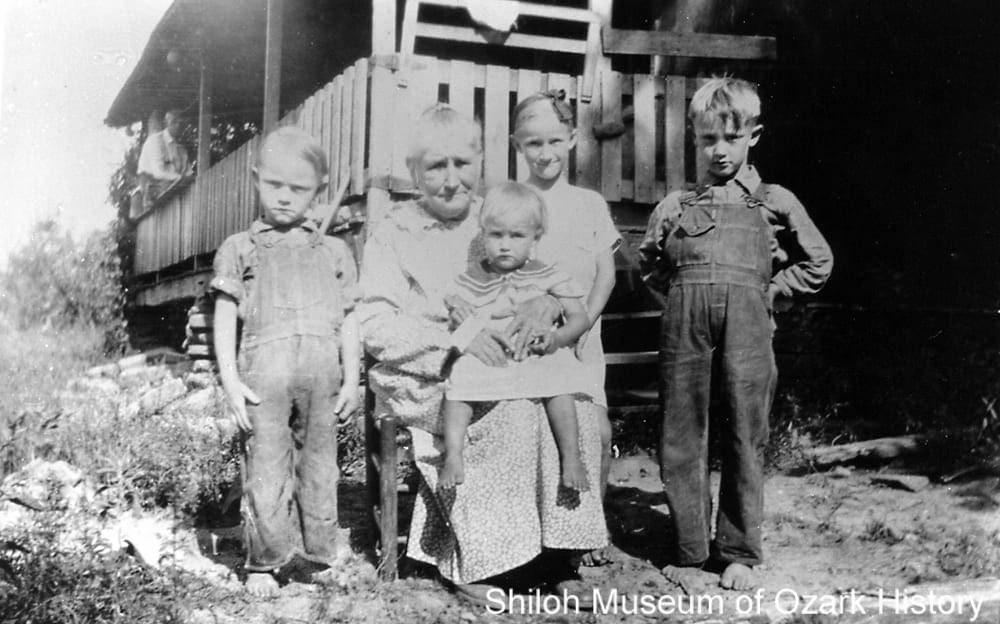
Lillie Maude Rogers Ball with her grandchildren at the Ball home on Ball Creek (Madison County), 1930s. In the background on the porch is Maude’s husband, Henry Ball. Velda Edens Collection (S-89-92-13)
Lillie Maude Rogers Ball with her grandchildren at the Ball home on Ball Creek (Madison County), 1930s. In the background on the porch is Maude’s husband, Henry Ball. Velda Edens Collection (S-89-92-13)